Starter Shopping List
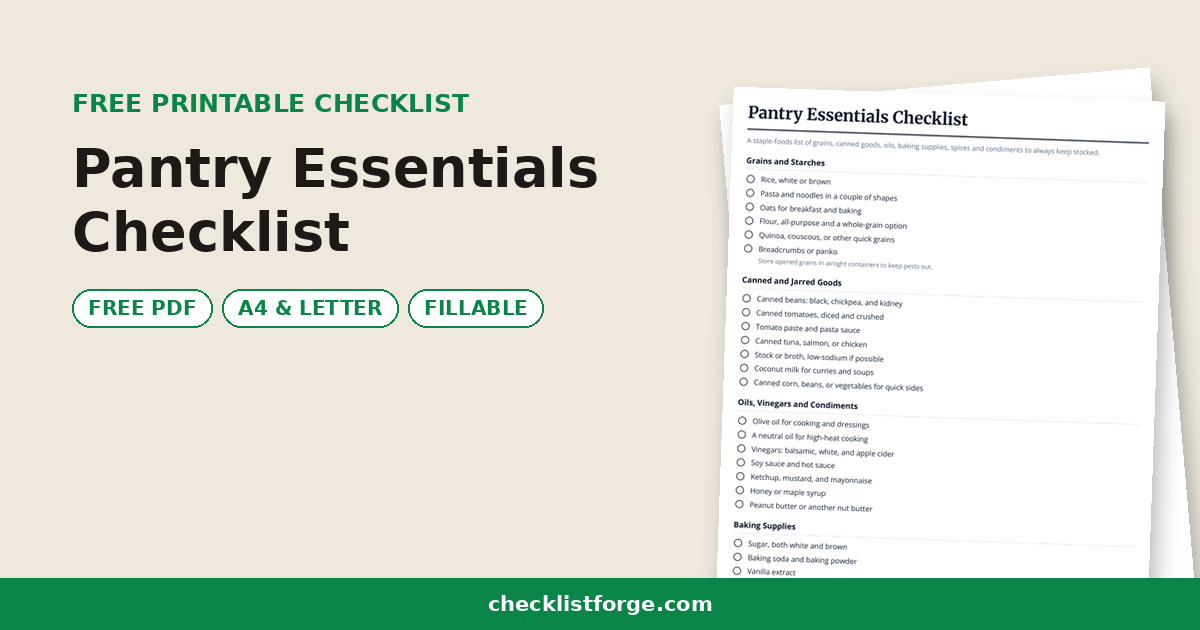
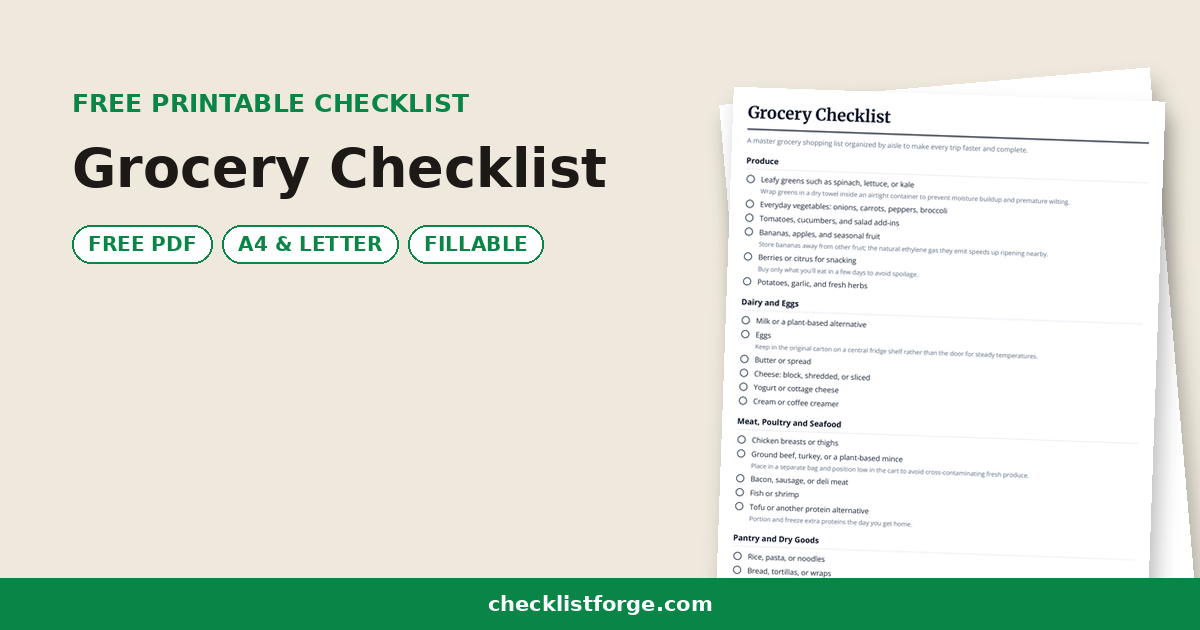
- Proteins that reheat well: chicken thighs, ground turkey, eggs, tofu or canned beans
- Grains and starches: rice, quinoa, oats, potatoes or whole-wheat pasta
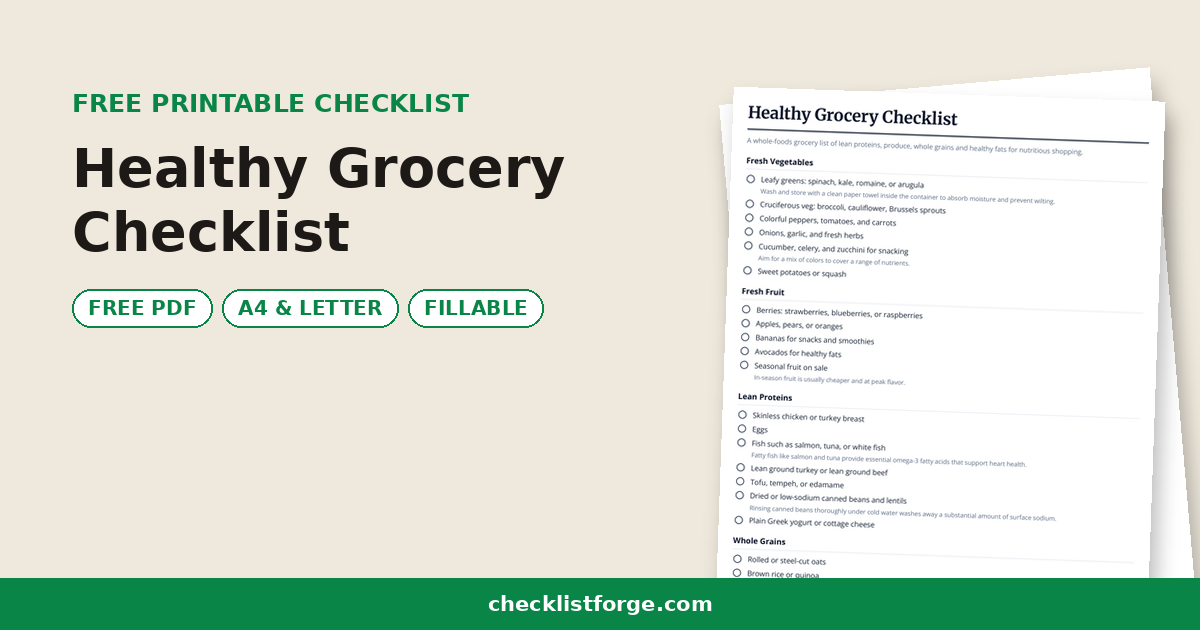
- Sturdy vegetables that keep: broccoli, carrots, bell peppers, cabbage, sweet potatoes
- Quick greens for the first half of the week: spinach or salad mix
- Fruit and snacks: apples, bananas, berries, nuts, yogurt or hummus
- Sauces and flavor: olive oil, garlic, salsa, soy sauce, spice blends
- Breakfast basics: oats, eggs, yogurt, frozen fruit
Containers and Gear
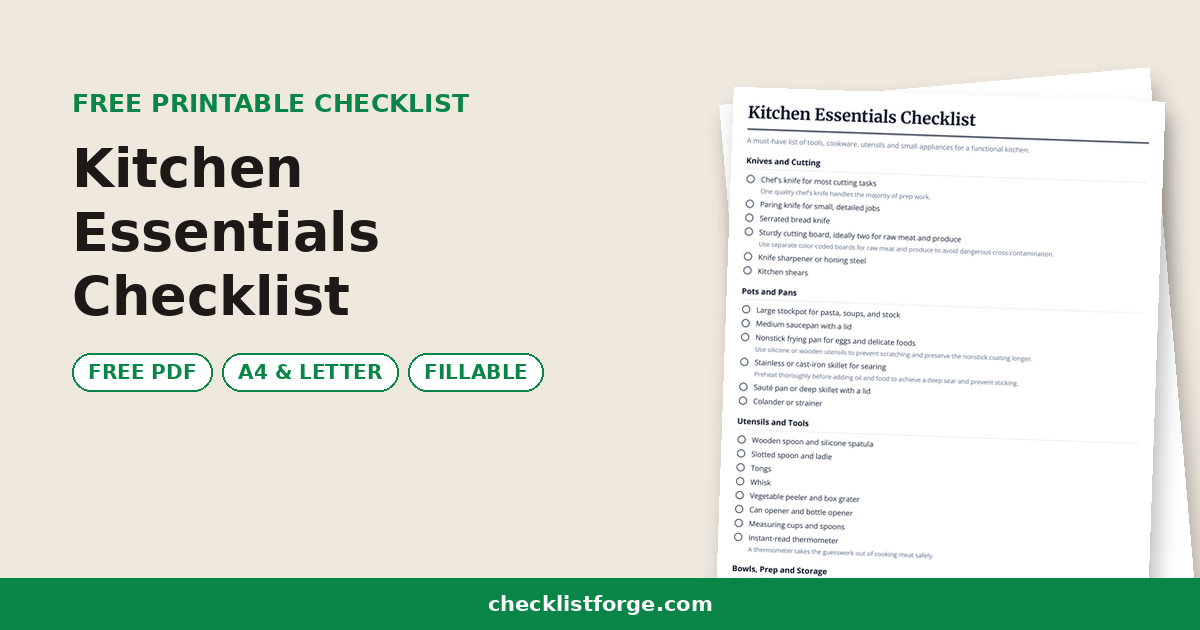
- Meal prep containers with tight lids (glass for reheating, plastic for carrying)
- Freezer bags or freezer-safe containers for meals beyond day 3-4
- Labels or masking tape and a marker for dates
- Two sheet pans and a large pot or rice cooker for batch cooking
- A sharp chef's knife and a large cutting board
- Small containers for sauces and dressings so food doesn't go soggy
Step 1: Plan Your Meals
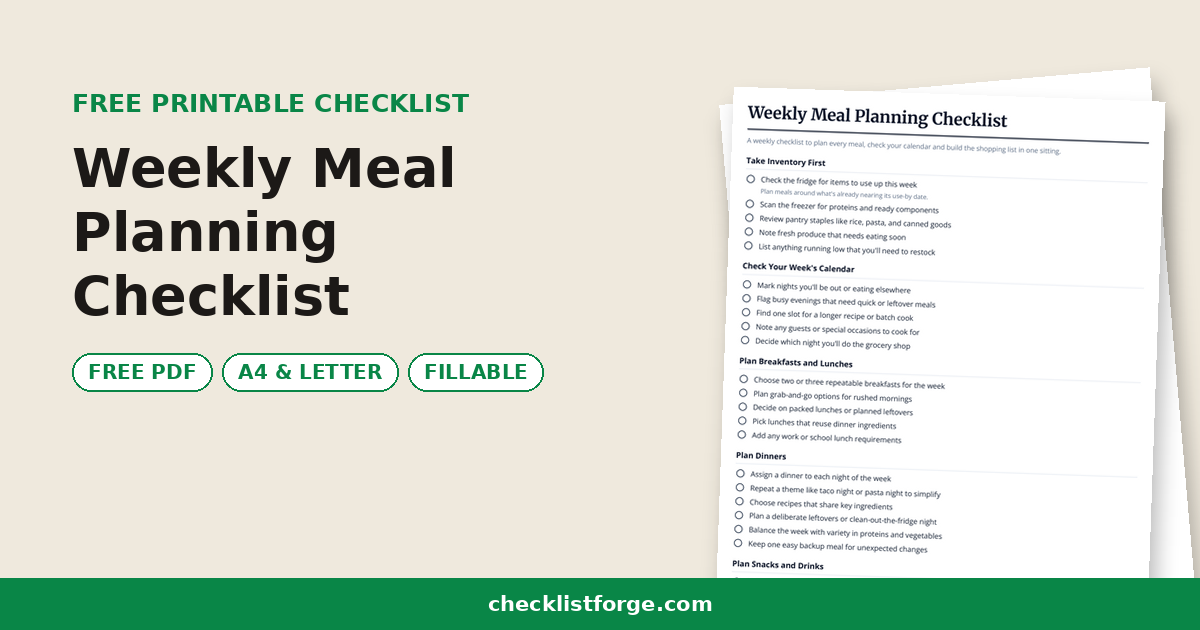
- Choose how many meals and days you're prepping for
- Pick three to five recipes that share ingredientsOverlapping ingredients cut waste and lower your grocery bill.
- Balance each meal with a protein, a grain, and vegetables
- Check your calendar for nights you'll be out
- Note any leftovers or pantry items to use up first
Step 2: Make Your Shopping List
- List every ingredient from your chosen recipes
- Check the fridge, freezer, and pantry before adding itemsShop your pantry first to avoid buying duplicates and reduce food waste.
- Group the list by aisle or category
- Add staples like oil, spices, and storage bags if low
- Set a budget and note any swaps for sale items
Step 3: Shop and Set Up
- Shop the full list in one efficient trip
- Wash produce and put cold items away promptly
- Clear and wipe down your counters and work surface
- Gather knives, cutting boards, bowls, and pans
- Pull out all containers and lids you'll need
Step 4: Prep Ingredients
- Wash and chop all vegetables at onceGrouping knife work saves cutting board space and avoids washing tools multiple times.
- Trim, portion, and season proteins
- Measure out grains, sauces, and dressings
- Marinate proteins that need time to soakMarinate the night before or first thing on prep day so the flavor soaks in while you cook everything else.
- Set aside ingredients for fresh items you'll add later
Step 5: Cook in Batches
- Start the longest-cooking items first, like grains and roastsGet slow items simmering or roasting first so you can prep faster foods while waiting.
- Roast trays of vegetables while proteins cook
- Use the oven, stovetop, and slow cooker at the same time
- Cook sauces and dressings to combine later
- Taste and season everything before it cools
Step 6: Portion, Label and Store
- Let cooked food cool before sealing containersSealing hot food traps condensation, leading to soggy textures and faster spoilage.
- Divide meals into single-serving portions
- Keep dressings and crunchy toppings separate until servingStore sauces, croutons, and nuts in small separate cups to prevent sogginess.
- Label each container with the meal and date
- Refrigerate meals for the next three to four days
- Freeze the rest in clearly dated containers
- Wash dishes and reset the kitchen for the week
0 / 45 done